Japan is a long-haul trip that rewards planning ahead. Entry rules can change: always confirm them with the Japanese embassy and your government’s travel advice.
When to go
- Spring (late March and April): cherry blossom; the most popular season.
- Autumn (October and November): pleasant weather and red leaves.
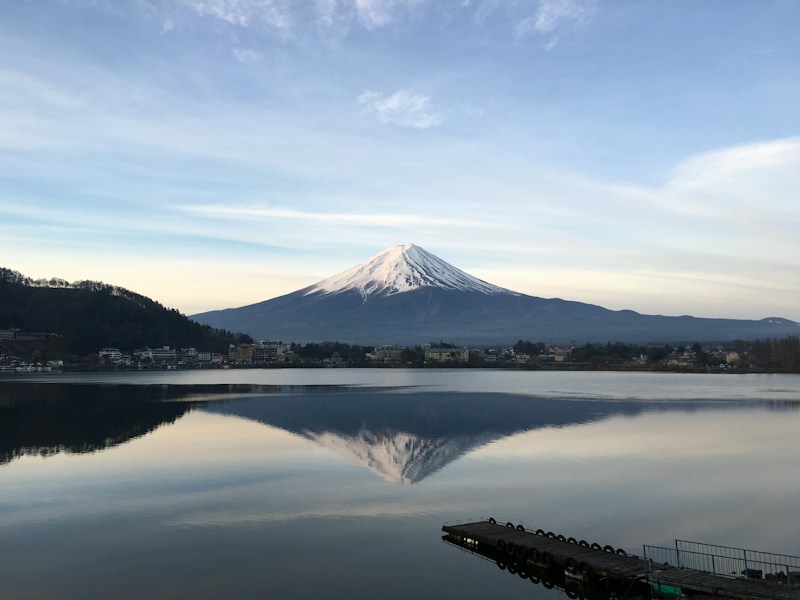
- Winter: cold and dry in Tokyo, with good views of Fuji and fewer people.
- Summer: very hot and humid, rain in June and possible typhoons from August to October.
- Busy dates: New Year, Golden Week (late April and early May) and Obon (mid-August).
Entry requirements
Citizens of many countries, including the UK, the United States and most of the EU, can currently visit as tourists without a visa for up to 90 days with a valid passport; check the rule for your nationality. Filling in Visit Japan Web beforehand speeds up arrival. When you leave you pay a departure tax of 3,000 yen per person (since July 2026), usually already included in your plane ticket. Japan plans to introduce an electronic travel authorisation (JESTA) before 2029: check before you travel.
Money
The currency is the yen. Cards are widely accepted, but carry some cash for temples and small places; the cash machines in 7-Eleven stores take foreign cards. There is no tipping. Since November 2026, tax-free shopping works as a refund: you pay the tax and claim it back when you leave.
Getting around
A rechargeable travel card (Suica, Pasmo or Icoca) works on metros, buses and small purchases. Between cities, take the bullet train (shinkansen). For large luggage there is a popular hotel-to-hotel delivery service (takkyubin).
Health and insurance
European and British health cards are not valid in Japan and healthcare has to be paid for: travel with medical insurance. Some common medicines are restricted: carry your prescription and check beforehand.
Plugs and internet
Mains power is 100 V with flat two-pin type A plugs: you will need an adaptor. Phone and laptop chargers usually accept 100-240 V; check the label.
Customs
- Take your shoes off in homes, ryokan and many temples.
- Do not talk on the phone on trains.
- Many onsen do not allow tattoos.
- Carry a small bag for your rubbish: there are few bins.
What to pack
Comfortable shoes that are easy to slip off, decent socks, an adaptor, a folding umbrella (or buy one there) and layers.
To start your trip
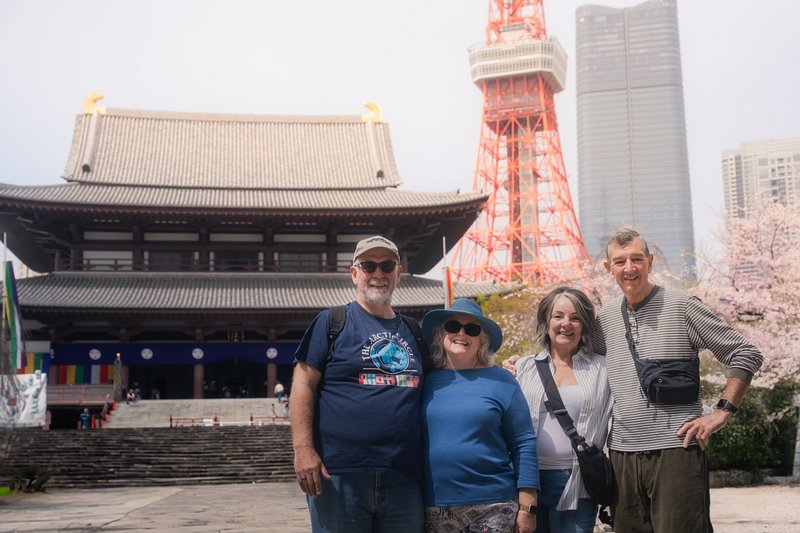
Private Tokyo tour with a local guide
You choose the neighbourhoods and the pace; ideal on your first day.
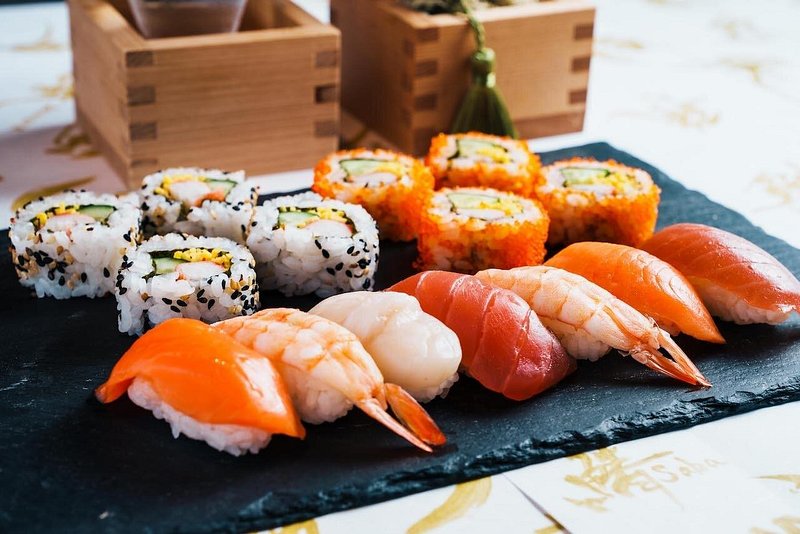
Sushi class in Tokyo: Tokyo roll and authentic sushi
Learn to make it and eat what you make.

Full day at Mount Fuji, guided in Spanish
A private day tour around Fuji with a Spanish-speaking guide.
Affiliate links. Ratings are from travellers on each platform; prices vary by date.
Frequently asked questions
Do you need a visa to visit Japan?
Travellers from the UK, the US and most of the EU do not need one for tourist stays of up to 90 days. Check the current rules for your nationality.
Is the European or UK health card valid in Japan?
No. Travel insurance with medical cover is strongly recommended.
What plug is used in Japan?
Type A, with two flat pins, at 100 volts.
Free advice
Questions about your Japan trip?
Tell us your dates, who you are travelling with and what you fancy, and we will recommend the best tours for you.
Write to us ✉